
• Home
  • News
  • Offers
  • About Us
  • Home
  • News
  • Offers
  • About Us
Newscashcycleemailexternalinternalmainsmssurveyusa

How to Get Help Paying for Groceries This Year

by CodeClouds August 31, 2026
written by CodeClouds

You may find it hard to believe that millions of people around the world are struggling to pay for groceries. It’s likely that one of your neighbors is suffering from food insecurity at this moment. It is difficult for households running on low income to juggle between paying utility bills, rent, and groceries. This financial crisis is affecting these people’s physical and mental health because when it comes to paying rent, bills, and buying groceries, the latter comes at the end of the priority list. Various government and non-government organizations are taking initiatives to help people who are having difficulty paying for groceries this year.

Food banks

You can get your groceries from food banks, which get donations from national food and grocery manufacturers and third parties. You must contact your local charity or NGO to get a voucher. You will find food distribution points in your area, where, by showing the voucher, you can get pre-packed groceries. Older adults, working families, individuals with fixed incomes, or those facing temporary financial difficulties can obtain groceries from food banks.

Supplemental Nutrition Assistance Program (SNAP)

It is a government-funded program which was popularly known as ‘food stamps’ before. If you are eligible for this program, then you will receive monthly benefits on your Electronic Benefits Transfer (EBT) card. You can use the card to purchase groceries from authorized farmers’ markets or grocery stores. As the government provides you with support, you won’t have to pay anything to purchase groceries from designated stores, provided you present your EBT card.

Women, Infants, and Children (WIC)

Some states have this program to support low-income families with small children. This program provides vouchers to buy baby supplies and healthy foods to women who are pregnant, or have a child who is up to 5 years of age. You can apply to this program through a local food bank and get baby formula, infant cereal, eggs, vegetables, milk, cheese, and other healthy products.

Use a grocery rewards card

You can get cash back or reward points if you pay for your groceries with a grocery rewards credit card. The Blue Cash Preferred card by American Express is a good choice, using which you can lower your grocery bills by 6%. The American Express Gold Card provides 4X points when you do grocery shopping in the supermarkets in the US.

Shop smart

Use loyalty programs and coupons offered by supermarkets to buy your groceries. Do some research online to find which supermarkets are offering cashback and coupons for grocery shopping this month. Try to shop in the evening for perishable items. The supermarkets usually lower the price of these items later in the day. If there is a sale on the non-perishable items, then you can buy in bulk and stock them up to save money.

Grow vegetables and fruits in the backyard


Many people are producing fruits and vegetables in their backyard gardens. This way, you can eat fresh and organic produce and also lower your monthly grocery bills. Educate yourself about gardening and produce high-quality fruits and vegetables. If you can grow enough, you can sell these in local markets too.

Food insecurity can lead to long-term adverse health effects. Both adults and children suffer from malnutrition. Children’s education is affected due to a lack of sufficient food, as they find it hard to concentrate on their studies. 

Apart from getting help with your groceries from different government and non-government programs, you must also try to reduce your grocery bills with thoughtful steps. Every month, you must make a shopping list, a meal plan, and a budget. Try to stick to the budget and avoid impulse buying. The prices of groceries increase due to inflation or global market issues. You must look for extra earning opportunities to pay for your grocery bills.
August 31, 2026 0 comments
1 FacebookTwitterPinterestEmail
Newscashcycleemailexternalinternalmainsmssurveyusa

How to Search for Missing Funds in Every State

by CodeClouds August 24, 2026
written by CodeClouds

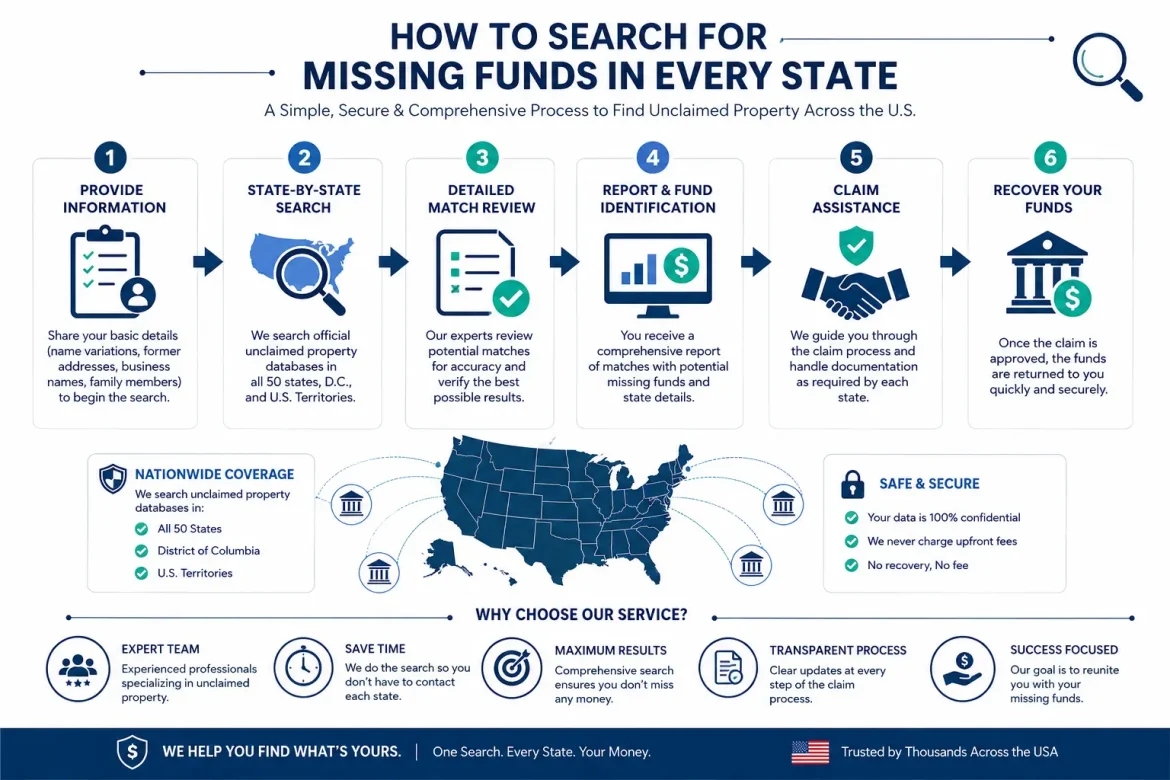
Wouldn’t it be wonderful to suddenly get money that you never thought existed? Well, don’t be surprised. It is very common for people to find out that they have some unclaimed money. Sometimes, the authorities that have your money will inform you about it; otherwise, you will have to search for them. With the improvement in technology, it’s now possible to locate your missing funds in every state within a short time.

What is unclaimed money or property?

Unclaimed property can be forgotten bank accounts, uncashed paychecks, utility deposits, unrefunded security deposits, IRAs, mutual funds, or returned stocks. It can also be forgotten contents of a safe deposit box or a family asset you didn’t know about. These are often held for a year by the state treasurers for you to claim and then given to the state when you don’t claim them. After that period, it’s turned over to the state, which is then tasked with finding its rightful owner. However, you can also voluntarily search for it in different state databases.

Ways to find missing funds

Every state has a free online search for an unclaimed property database. You can look into those websites to find if you have any unclaimed property. The website ‘www.missingmoney.com’ lets you check multiple state sites at once. You can even make your claim directly through this site if you find your missing funds, provided the amount is less than $200. For a larger amount of money, you need to mail the documentation. The application procedure is quite simple. You just need to fill in a form, verify your identity, and get your funds.

Separate state departments are responsible for processing different types of unclaimed property. You can visit their office or website to find the information you need about your missing funds. Here is a list of such databases or sites.

Non-government organizations

Both state-funded and private non-government organizations (NGOs) exist to support people who are financially stressed out. ‘Access NYC’, for example, is a government organization providing families with cash if needed. It is even available to people who are not U.S. citizens but reside in NYC. You must be employed or enrolled in a study program to get this cash assistance. However, if you are 60 or older, then employment or study is no longer a prerequisite. ‘GiveDirectly’ is another NGO that operates internationally and provides cash to very poor people. ‘USA Funding Applications’ also collects grants and other financial assistance in one hub and gives cash to people in need.

Wages, pension, and insurance

To find missing money from employers, that is, unpaid wages, you need to search the Department of Labor’s database. For unclaimed money of pension, you must look into the Pension Benefit Guaranty Corporation search tool. To get veteran life insurance missing funds, search the U.S. Department of Veterans Affairs (VA) database.

Mortgage, tax, and investments

For lost savings bond, go to TreasuryHunt.gov. If you owe money from a company that has declared itself bankrupt, then use the U.S Courts Unclaimed Funds Locator to search for your money. To find money from your 401(k) plans, visit the official site of the National Registry of Unclaimed Retirement Benefits. The Retirement Savings Lost & Found Database can also help you to find your unpaid retirement benefits.

Final words
Only if you know which database to look into can you easily locate your missing funds, if any. You can contact the local agencies to help you find the money you are looking for. They can also help you in filling out the form for unclaimed property. If you fill out the forms properly and give the additional information the respective state department demands, then you will get your missing fund within a short time and without any obstacle.

August 24, 2026 0 comments
1 FacebookTwitterPinterestEmail
Newscashcycleemailexternalinternalmainsmssurveyusa

How To Find Emergency Cash Assistance In Your State

by CodeClouds August 17, 2026
written by CodeClouds

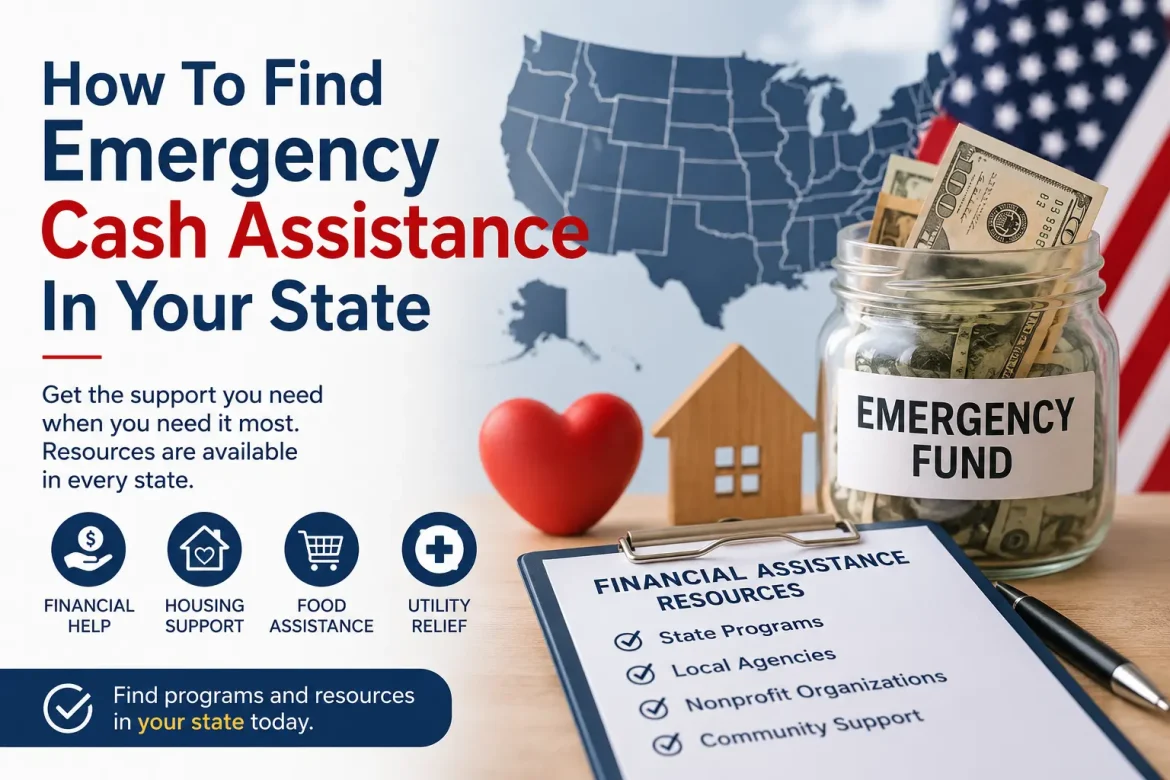
Sometimes, life may take a nasty turn and put you in a situation where you need emergency cash. You might have money stuck in properties, but not enough in your bank. Or, your income may be very low, for which you don’t have money. In such situations, there are ways to find emergency cash assistance.

Local state social welfare services

The social welfare systems provide health care, food support, housing assistance, child care, and unemployment support. The needy people who apply for these services receive benefits in the form of biweekly or monthly payments to their accounts. The Temporary Assistance for Needy Families (TANF) is a state-run program that provides the mentioned financial support to low-income families. Some states offer

Crowdfunding

Crowdfunding can reach a wide number of people within a short time. Platforms like GoFundMe offer the opportunity to create campaigns for a cause, like collecting money for a medical emergency or providing support to families affected by a flood. You must convince people that the money is required for an emergency purpose. Therefore, try to give a detailed explanation about your situation and the reason you need immediate cash assistance.

Non-government organizations

Both state-funded and private non-government organizations (NGOs) exist to support people who are financially stressed out. ‘Access NYC’, for example, is a government organization providing families with cash if needed. It is even available to people who are not U.S. citizens but reside in NYC. You must be employed or enrolled in a study program to get this cash assistance. However, if you are 60 or older, then employment or study is no longer a prerequisite. ‘GiveDirectly’ is another NGO that operates internationally and provides cash to very poor people. ‘USA Funding Applications’ also collects grants and other financial assistance in one hub and gives cash to people in need.

Personal loans

Some loan providers offer easy prerequisites to apply for a loan. You can get money within hours or days. You will need to pay back the loan, along with interest, within a specific time period. Some of these financial institutions won’t even check your credit score to lend you money in such a short time.

Payday loans

Many private companies offer payday loans to help you survive through emergency financial crisis situations. The companies will lend you money very quickly, but will charge you a high interest rate. You will have to repay once you get your next salary; otherwise, the interest will build up. The borrowing limit is not very high with payday loans.

Cash advances
If you have a good credit score, then many credit card companies will give you cash advances. However, you may have to pay high interest when repaying the money. The good thing about it is that you get the money immediately to meet your emergency needs.

Local credit unions

The local credit unions often provide low amounts, short-term loans for emergencies. They offer lower interest rates and more lenient terms than traditional banks. You will find it easy to repay the loan once your immediate crisis is over.

Hardship withdrawals

You may qualify for hardship withdrawals against your retirement account 401(k) or a life insurance policy. The reasons for withdrawing money must be for covering medical or funeral expenses, paying for a mortgage or home repair of your primary residence, or paying for education fees.

Apart from these sources, you can always ask your family and friends to lend you some money. You can also request your employer to give you an advance payment against your next salary. It is very common to feel guilty about asking for financial assistance. But if you don’t solve your financial problem right away, you will get into bigger trouble from which there may not be any escape. You must know that help is available; you only need to do some research to find out which option is suitable for you.

August 17, 2026 0 comments
1 FacebookTwitterPinterestEmail
Food Assistance Programs Every Family Should Know About
Newscashcycleemailexternalinternalmainsmssurveyusa

Food Assistance Programs Every Family Should Know About

by CodeClouds August 10, 2026
written by CodeClouds

Your regular life can come to a halt if a disaster or war strikes. You can also suddenly fall into a deep financial crisis for which you may not have the money to meet even your basic needs. It’s always good to be informed about the help you can get during these difficult moments. There are various food assistance programs available around the world that provide long-term food security to distressed families. Learning about these programs will help you access these vital resources and push you through the difficult time.

World Food Programme (WFP)

WFP is the largest UN agency operating in approximately 120 countries worldwide, providing food assistance to nearly 100 million people. WFP comes forward during times of emergencies and needs for nutrition improvement. WFP has a huge transport structure to deliver food anywhere, anytime. 

Whether it’s a flood-affected area or a warzone, the WFP team will be right beside people who need them most. WFP’s main focus is on preventing malnutrition of mothers and children in developing countries. It provides vouchers and e-cards to families in need so that they can buy locally grown food from local markets. Alternatively, WFP provides food directly at distribution sites from where families can pick up the food.

WFP also provides a school meals program and agricultural training to overcome hunger. Farmers can get fertilizers and farming equipment to earn money from selling crops to help feed their families. They also get training to improve their agricultural production.

Holt’s School Lunch and Food Assistance Program

These programs are designed to address the hunger gap that exists in the world. Holt’s programs support families suffering from malnutrition or food-related illness. Through these programs, healthy school meals are provided for the children. They also distribute food baskets containing essential food items to families struggling to eat nutritious food. Cash transfers are also given so that families can buy their choice of groceries. Holt also encourages families to grow their own food by providing them with fruit trees and chickens.

Care International

This organization has worked in many countries to end poverty by improving nutrition. The organization helps farmers and  fishermen to improve their productivity in emergency situations. It supports women’s role as producers and gives importance to women’s voice as consumers as well.

The Hunger Project

The vision of this non-profit organization is to provide a  world where  everyone will lead a healthy and fulfilling life. The Hunger Project has operations in Asia, South America, and Africa. The people in rural areas are ensured proper nutrition and health awareness through  this project.

Action Against Hunger

It is a global organization working towards providing food to millions of people who are going through a crisis moment because of natural disasters or wars. Apart from ensuring that these people get food, the organization also raises awareness about water and sanitation, nutrition, and food security. Their goal is to get a ‘hunger-free’ world.

Feeding America
It is a US-based organization fighting against hunger. It provides a number of food banks nationwide to provide food to people who need it. The organization finds innovative ways to reduce food waste. There are about 200 food banks in the US serving 46 million people who are struggling to get food.

UNICEF

UNICEF works for children around the world. They have a nutrition program to provide children with food during times of natural disasters. They provide nutrition-related education  to mothers through  their community clinics. UNICEF provides food to the malnourished children so that they can lead a healthy life.

Heifer International

This non-profit organization helps local farmers to strengthen their local income by investing in them. The organization works in partnership with local communities by donating cows, goats, and chickens. The members of the organization provide training to help local farmers develop a business. This way, the farmers will have higher earning potential to maintain a healthy and financially stable family.

World Central Kitchen

This NGO provides fresh and nutritious food to families who have been displaced during times of disasters or conflicts. They focus on providing clean cooking solutions for families. They also conduct culinary programs in underserved communities to teach food safety. The organization is working in many countries all over the world.

These food assistance programs support low-income families by providing them with nutritious food when they need it most. These programs aim to prevent malnutrition by distributing food baskets, vouchers, and money transfers to buy food. The continuous support of these programs helps in childhood development and community resilience building.

August 10, 2026 0 comments
1 FacebookTwitterPinterestEmail
Newscashcycleemailexternalinternalmainsmssurveyusa

Rent Assistance Programs That Could Help You Stay in Your Home

by CodeClouds August 3, 2026
written by CodeClouds

Have you missed paying your rent? Are you afraid that your landlord may ask you to vacate the space anytime? Then, you should stop worrying for a while, as there are rent assistance programs available near you that may help you to get back on track.

Emergency rental assistance can be government or non-government programs that provide financial support to households when they are unable to pay their rent. The reasons for such a financial crisis can be job loss, prolonged illness, or anything else. The U.S government has a number of programs to provide rent assistance to eligible applicants. You will find many international organizations, too, helping with paying house rent. Here are some rent assistance programs worth mentioning.

Emergency Rental Assistance (ERA)

This program is run by the Treasury Department of the U.S. government. It has given billions of dollars of support towards housing stability during the time of the COVID-19 pandemic, and it continues to provide rental assistance. The program assists eligible families in paying rent and utility bills.

Volunteers of America (VOA)

It is a non-profit organization that helps senior citizens, veterans, individuals with physical or mental disabilities, and families find affordable housing. As wages are not increasing in proportion to the rise in value of properties and rents, people are having a hard time paying rent.

Stick to a budget

You must list down all your essential and non-essential spending and create a realistic budget for every month. Also, list all the income you generate each month from different sources. Take a good look at the household cash flow and find out which things on the list you can adjust. Include extra money in the budget for repairs, medical, and other unexpected expenses. You should keep about 5-10% of your budget as an ‘inflation buffer’ so that you don’t have to change your lifestyle too much to fight inflation.

Catholic charities

If you can address your emergency need properly and show them the past-due or eviction letter, then you can get financial assistance in paying rent. You must contact your local parish by visiting the church and discussing your financial needs. You should bring the necessary documents like a lease agreement, proof of income, a formal notice mentioning that the rent is past due, and the contact information of the landlord. The church authorities will verify everything and see if you are eligible for the assistance program.

2-1-1

You can call 211 when you need help with paying rent. It is a 24-hour hotline that helps people know what resources are available in their community. You can learn about the government and non-government programs available to assist you in paying rent.

Salvation Army
They provide utility, rent, and mortgage assistance. Millions of people around the world still have to struggle to get food and shelter. Salvation Army connects people with their local housing resources. They also provide utility assistance, ensuring that people get heat during winter and air conditioning during summer months.

GoFundMe

Fundraising through the GoFundMe platform is an effective way of raising money for house rent. Tell about your situation and how much money you need to get out of this financial trouble. With more than 150 million donors, you will raise your rental money within a short time.

Housing Choice Voucher Program of the Department of Housing and Urban Development (HUD)

This is a subsidized housing problem where the government pays the homeowners to reduce the rents of tenants who have low incomes. The program provides housing choice vouchers to low-income families, senior citizens, and people with disabilities to pay full or partial rent of houses that are privately owned.

Many people spend about 40% to 50% of their income on paying rent. So, if they suddenly become ill or their car needs repair, then they struggle to pay for these. According to a survey conducted by Bankrate, more than half of U.S. adults are not happy with the emergency savings they have.

The rental assistance programs serve many people, and so the waiting time may be long to get support. You must provide evidence that your income is low or that you have a disability for which you find it difficult to pay house rent. Remember that these programs will provide assistance to those who need it most.

Clearing your rent with the landlord is vital, whether through these assistance programs or simply by paying the money up front. Leaving the matter unresolved will have serious consequences. Any negative rental information on your credit report, like a record of eviction filing, can lower your credit score and make your financial status more difficult. Many landlords check credit reports to rent homes and decide how much to charge as a security deposit. Therefore, you will find it hard to get a rental in the future. Never hesitate to take the help of these rental assistance programs whenever you have difficulty paying house rent.


.


August 3, 2026 0 comments
1 FacebookTwitterPinterestEmail
Newscashcycleemailexternalinternalmainsmssurveyusa

Frugal Living Tips to Combat Rising Inflation Costs

by CodeClouds July 27, 2026
written by CodeClouds

Have you ever wondered why the prices of groceries, petrol, and other commodities suddenly increase? You suddenly find out that you can buy fewer groceries with the same amount of money than you used to buy even a month before. All these are happening mainly due to inflation. To continue living a financially stress-free life, you must know ways to minimize the impact of inflation on your life. 

What is inflation?

Inflation is a price increase that occurs for several goods or services over time. A certain level of inflation, usually 2%, is considered to be an indication of economic growth. But if it gets higher than this, then people’s lives get negatively affected. You will have less purchasing power, which will cause financial strain over time. It is necessary to act proactively to combat inflation.

Tips for combating inflation

Inflation can make everyday life difficult. Adopting a frugal lifestyle can help to overcome the distress that inflation may cause. Frugal living doesn’t mean counting every penny as you spend. It’s about making smart spending decisions and getting the most out of your earned dollars. Here are some tips that can be helpful to combat inflation.

Stick to a budget

You must list down all your essential and non-essential spending and create a realistic budget for every month. Also, list all the income you generate each month from different sources. Take a good look at the household cash flow and find out which things on the list you can adjust. Include extra money in the budget for repairs, medical, and other unexpected expenses. You should keep about 5-10% of your budget as an ‘inflation buffer’ so that you don’t have to change your lifestyle too much to fight inflation.

Spend less on essentials

Find out which of your spending is affected most during inflation. For example, fuel prices usually go up during times of inflation. So, if you drive to the office daily, then you must think of ways to reduce your fuel costs. You can take a bus or a carpooling service to the office instead of driving your car. If your office is located at a short distance from your home, then walk or take a bike. You can also suggest to your employer to allow you to ‘work from home’ for a part of the week. That way, you will also save on your fuel. You can join gas reward programs where you can save money on your fuel or car washes. 

Inflation hits grocery prices hard, so that’s also an area you need to focus on. Find out your essentials and cut back on the non-essential grocery items. Try to use affordable ingredients when cooking food. Seasonal items are cheaper, so make use of them. Many grocery stores offer loyalty programs. You can save money by joining these programs. You can grow seasonal vegetables and fruits in your backyard. This will not only make food affordable for you, but also let you enjoy fresh and organic items. 

Cut on impulse spending and non-essential expenses

You should limit your restaurant-dining trips. Even if you go to restaurants, find out which restaurant is offering a discount or special offer. Cooking at home is a cheaper option. You can buy groceries in bulk to lower your monthly expenses. Don’t go to a concert or a movie impulsively. Instead, look out for free activities and events, like visiting a museum or a park. Reevaluate your subscriptions, like digital streaming services, gym memberships, or movie membership cards. You must stop yourself from purchasing the big items like cars and appliances during this financially difficult time. 

Renegotiate bills
You cannot freeze your bills even during inflation. However, you can renegotiate your bills by reaching out to your cell phone, internet, and insurance providers. You can ask for loyalty discounts or even switch to service providers that are offering a lower price. 

Take care of your debts wisely

During inflation, the variable interest rate on your loans will rise. Therefore, you must make extra payments each month so that the interest amount doesn’t pile up. You can consider applying for a debt consolidation loan with a fixed rate. That way, your interest rate won’t increase during inflation. On the other hand, you might get lucky with your fixed-rate debts, like a mortgage or a loan. As you know, inflation wears away the purchasing power of your money; it will also reduce your debt value. Therefore, as inflation rises, your fixed-rate debts will decrease. 

Have an emergency fund

You should have an emergency fund in a high-yield savings account to earn more interest. Try to save up 3 to 6 months’ worth of cash for essential expenses. Adjust your monthly savings goal continuously for financial security. 

Cut on home energy

With some small fixes, you can lower your home energy bills. Use a fan instead of an air conditioner whenever possible. Replace worn caulking around your windows and doors to prevent drafts and keep out moisture. You must program your HVAC such that it is set at low overnight or when you are not home. You can install motion sensors to turn the lights on and off automatically. 

Invest wisely

If your money is sitting idle in a traditional savings account during inflation, then your money will lose its purchasing power quickly. You must diversify your investment, allowing for risk tolerance. This way, you will get consistent returns on these investments. You can take advantage of the tax-advantaged accounts. Avoid investing in risky stocks even if they offer high returns. You can try investing in mutual funds or bonds instead. Real estate is also a good place to invest in during inflation, as real estate values don’t fluctuate much during this time. 

You can research past inflation trends to find out the performance of the energy sector or the real estate market, so you know where to invest. Inflation shouldn’t stop you from saving funds for your future events like kids’ college, car replacement, or home improvement. You should save up even in small amounts in College Savings Plans or other schemes.

Find an extra source of income

Apart from trying to reduce your expenses during this difficult financial crisis, you must also look for ways to increase your income. You can start part-time work such as online tutoring, grocery delivery, paid online surveys, and others. You can consider learning new skills to improve your qualifications to get a better job.

Seek financial assistance

You can go to a financial professional to help you with managing your debts, investments, and retirement savings during inflation. This will save you from making terrible mistakes. This professional will help you stay updated with the economic trends and give you valuable insights to make a good financial decision. 

Conclusion

You will slowly get adapted to your frugal lifestyle and actually start enjoying the simplicity. You must use a combination of the strategies just mentioned to survive through inflation. By prioritizing essential expenses, managing debts properly, shopping and investing smartly, you can improve your financial condition even in times of inflation. 

.


July 27, 2026 0 comments
1 FacebookTwitterPinterestEmail
Newscashcycleemailexternalinternalmainsmssurveyusa

How People Are Earning Extra Money Without a Second Job

by CodeClouds July 20, 2026
written by CodeClouds

One of the most common goals that people have in life is to make money. It is the magical tool that can get you financial security, happiness, and achievable dreams. However, with the cost of things going up, it is difficult to run a family with only one job. A major portion of the paycheck goes into paying for the essentials like groceries, bills, and house rent. There isn’t enough money left over to pay off debt, buy your first home, save for retirement, or cover emergency medical expenses. That’s why people are always seeking new ways to earn money.

You can get into a second job, but it will cause immense pressure on your body and mind as you will have to work under someone’s authority within fixed hours, just like your primary job. Finding a side hustle, on the other hand, can give you work flexibility, self-authority, and extra money. You can try out the following ways of earning extra money without looking for a second job.

How families are affected during inflation

Inflation means an increase in the prices of goods and services. When production costs or demand for certain products increase, the prices of goods and services may rise. Shortage of certain goods and services can also result in a price increase. In such cases, the consumers are willing to pay more, and this pushes the price up.

We have noticed a sharp rise in inflation recently due to a sequence of events, like the COVID-19 pandemic, Brexit, the Russian-Ukrainian war, and the US-Iran war. These events caused disruptions in the supply change. Recently, there was a crisis for petrol in many countries due to the US-Iran war, for example. Inflation causes financial strain on households. Here are some ways inflation is affecting families.

Rent out your space or equipment

If you have an extra room in your house or an empty garage space, then you can rent it out. Instead of letting the empty space collect dust, utilize it to your own advantage. You can list your space on online platforms like Airbnb, Spacer, Neighbor, or others. Word of mouth and posting advertisements in the local paper also help. Without much effort, you can start earning extra money right away.

If you have power tools, camping and sports equipment, musical instruments, event supplies, specialty electronics, or landscaping tools at home, then you can rent them out. This equipment is expensive, and many people would like to rent rather than purchase it. You just need to keep the equipment in good working condition.

Turn your hobby into a business

Whether you enjoy photography, painting, craft making, or baking, you can think of starting a freelance or home business. If necessary, do a professional course to sharpen your skill like a pro. It will also help you to develop confidence and credibility. Many people today search for a freelance photographer or baker to cover their special events. If you can paint or make crafts, then you can sell your own painting or crafts online through Facebook marketplace, Etsy, or other sites.

If you love gardening and have a nice garden in your backyard where you grow seasonal fruits and vegetables, then you can think of selling those. You can create an online page and sell the local produce, or get in touch with a local market to supply fresh vegetables and fruits. You can also offer planting, yard maintenance, or lawn mowing services. These are well-paid, flexible jobs which will help you to earn extra money.

Offer handyman and renovation services

It’s time to utilize your handyman skills outside your home. If you can do small fixes around the house, then you can earn extra money by working for different clients. You can offer car restoration, property renovation, or flipping services. You can buy used electronics or bikes, fix them, and sell at a profit in eBay or the Facebook marketplace.

Invest in businesses

Dropshipping is a popular business concept today that doesn’t require much capital. You don’t need to maintain any inventory, so there won’t be any cost of renting and maintaining a warehouse. You only need to set up an online store from which you can take orders. An e-commerce business is also a good option. You can start small by stocking up on inventory in a spare room or garage.

Invest in stocks, bonds, and shares


Invest in dividend stocks to get regular returns from your investment. Choose established and well-reputed companies to invest in that have a track record of providing regular dividends.  You can also buy bonds and shares to get a good return.

Utilize your vehicle

If you own a car or a bike, you can rent it out when you are not using it. There are apps available that let you rent your vehicle. Depending on the type of vehicle, there is good earning potential every day. Alternatively, you can become a part-time delivery person through apps like Uber Eats, using your own vehicle. You can also offer carpool services using apps. Another interesting way to earn from your vehicle is by turning your car into a billboard. There are marketing companies that pay people to wrap their vehicles with ads.

Provide education, writing, or digital services

You can start your own channel of tutoring or develop courses on various subjects to sell on Udemy or other education platforms. Choose topics that you are an expert at, like a different language, Math, Business, Interior Design, and others. You can advertise your services in different online marketplaces. Writing services are also in demand now. You can work as a freelance writer.

Another option is providing editing lessons online or performing video editing for other companies. You can also do logo design, website design, marketing materials, and others for different clients. SEO and digital marketing services can also give you an extra income source.

Event planning services

Any event today is very well-planned and organized. People usually hire professionals for weddings or corporate events. If you are creative and have experience in event planning, then you can start your own event planning business. You must source good vendors and form good relationships with them to earn more money from this side hustle.

Housekeeping and babysitting services

Today, in many households, both partners are working full-time. Therefore, it’s difficult to maintain the house in good condition without external help. You can provide housekeeping services at your convenient time. If there is a baby in the house, you can offer babysitting services as well. Many parents recommend a babysitting service instead of a day care center for financial and safety reasons.

Pool cleaning and car washing services

These washing works don’t need much experience. You need physical labor and some good products to clean a pool or a car. Pool owners may need cleaning services, especially during warmer months. Car wash is more frequent. You won’t need to spend much time doing these works.

Pet walking and grooming services

You will find many people having pets at home. Due to the homeowners’ busy schedule, they often find it difficult to take the pet to walk or do proper grooming. If you have a pet yourself and know how to take care of them, you can offer them a hand with these tasks.

Start a podcast

If you are passionate about any topic, then you can start podcasting. You can invite special guests to your podcast and discuss various topics. Initially, the challenge is to build up an audience. After that, you can monetize your podcast through ads and sponsorships. You must come up with unique and new content to grab more audience. You only need a computer, a microphone, and headphones to start a podcast.

Become an influencer

Influencers seem to rule the online platform today. Pick a type of content you want to create and be innovative with the videos you share on social media. You can create funny, awareness, health-related, or other videos to attract audiences to visit your page or YouTube channel. You can earn from advertisements. Once you get popular, you will start getting advertising deals from other companies to promote their products. So, you can start earning more.

Become a health and fitness expert

You can easily start a side hustle in this field if you are a health-conscious person and know how to lead a healthy and fit life. With some training, you can become an online fitness or yoga instructor. Being a nutrition coach is another option. You can create a customized diet plan for clients. You need proper certifications to provide these services.

With so many options available, it’s not difficult at all to earn extra money from side hustles. Imagine how easily you can achieve your dreams with the extra money you will be earning. You will soon become financially strong if you can hold on to that passion and dedication to earn extra money beyond your regular job.


July 20, 2026 0 comments
1 FacebookTwitterPinterestEmail
Newscashcycleemailexternalinternalmainsmssurveyusa

How Inflation Is Affecting Families and What We Can Do

by CodeClouds July 13, 2026
written by CodeClouds

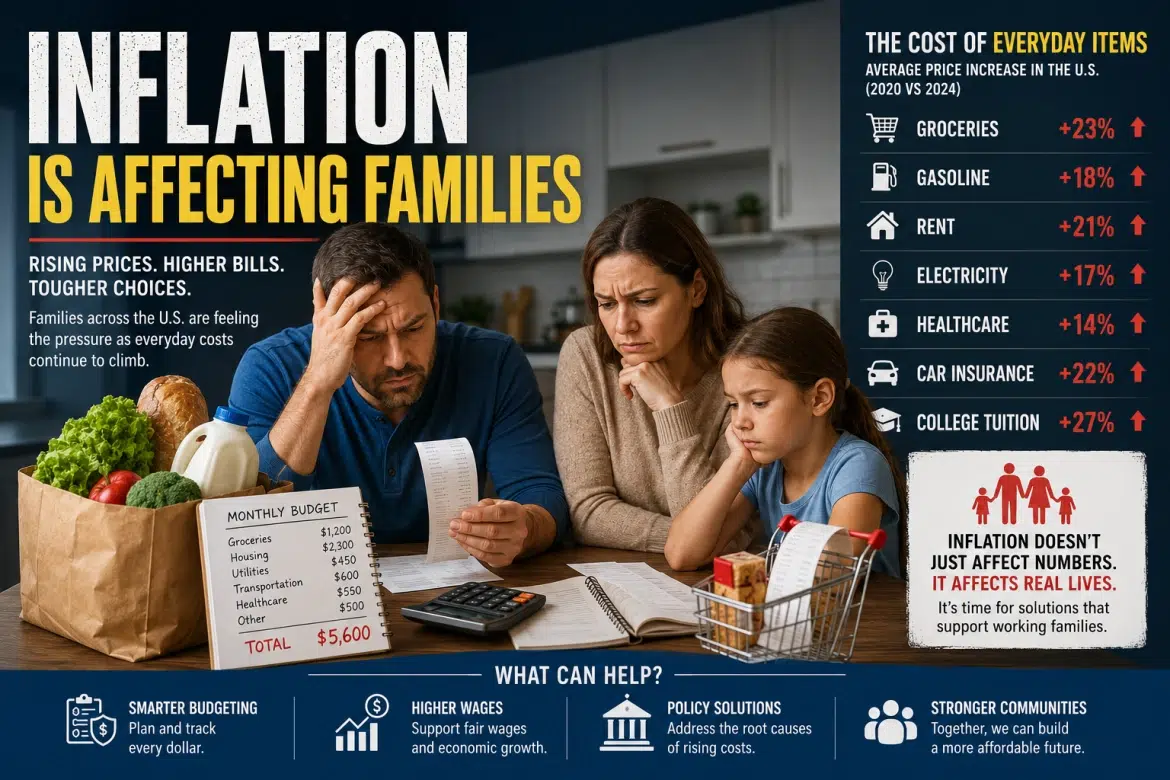
Are you struggling to run your household with the income you have? Do you feel that the financial difficulties are increasing day by day? Well, that is a sign of inflation; that is, a rise in prices that reduces the purchasing power. During this time, you notice a significant difference in your shopping experience; things are costing more than they used to be.

How families are affected during inflation

Inflation means an increase in the prices of goods and services. When production costs or demand for certain products increase, the prices of goods and services may rise. Shortage of certain goods and services can also result in a price increase. In such cases, the consumers are willing to pay more, and this pushes the price up.

We have noticed a sharp rise in inflation recently due to a sequence of events, like the COVID-19 pandemic, Brexit, the Russian-Ukrainian war, and the US-Iran war. These events caused disruptions in the supply change. Recently, there was a crisis for petrol in many countries due to the US-Iran war, for example. Inflation causes financial strain on households. Here are some ways inflation is affecting families.

Less purchasing power

Inflation leads to an overall increase in the price of goods over time, which results in a reduction of purchasing power. You will find that your income is no longer covering your expenses as it used to before. The value of money drops; a basket of groceries that cost $50 before now costs $70 or more. The lower and middle-income households are most hit by inflation because they don’t have much savings to deal with this financial crisis.  These people are struggling with buying the necessities; they can’t reduce consumption. So, they have to find ways of earning more money.

Difficulty in managing debts

High inflation results in increased interest rate as Central bank increases it to reduce inflation. If you have taken a loan on variable interest rate, then a rise in interest rate will mean that you will have to pay more in installments every month. If you don’t have savings, then you won’t be able to pay the monthly installment, and so your debt amount will increase. However, if you were on a fixed-rate loan, then your overall debt amount will decrease, which will be at your advantage.

Difficulty in maintaining a good lifestyle

The middle-income households will find it difficult to maintain a good lifestyle. Sending kids to private school, attending social gatherings, continuing to travel by car, and other activities. As necessities will take up a major portion of their income during inflation, it will be tough for them to spend on other things needed to maintain a good lifestyle.

Less return from the savings account

Maintaining a savings account is important to pass through the ‘rainy days’. This account can be really handy in times of financial trouble. However, during inflation, the interest rate of the savings account becomes low, and you will get less return. If your inflation rate becomes more than the savings interest rate, then you will actually lose money. A savings account is therefore not a viable option for long-term investments.

Child care costs increase


Inflation increases the cost of child care. So, parents face hardship continuing with this service. Some people choose to leave their jobs or switch to part-time or online job arrangements to reduce the financial burden of child care services. Sharing nannies or taking child to in-home day cares become common practices as well.

Homeowners affected

Real estate can hedge against inflation as homeowners can increase rents to cope up with the difficult financial situation. Also, if they have a fixed-rate mortgage, then eventually they will have to pay less for their property. Therefore, investing in properties can be beneficial.

Save more for retirement

Inflation has a negative effect on retirement income. Social Security gives protection against inflation, but not most pensions. You will have to save up more money for your retirement to match your present lifestyle. Based on the rate of inflation, adjust the retirement savings amount. You have worked hard all your life, so don’t compromise on your lifestyle after you retire.

Adverse Effects on Bonds and Stocks

Many people invest in bonds and stocks that are thought to be less risky ventures. However, these investments are not safe from inflation. The high interest rates will reduce the present value of bonds and stocks. So, people will get lower returns from their investment.

Strategies to protect households during the inflation period

There are several strategies to cope with inflation. The most important one is to monitor your spending and adjust budgets accordingly. If you are running a business, then you can buy inventory earlier and lock in prices, so that later, when the price of goods increases, your profit is not adversely affected. When shopping, consider buying things whose prices are not affected by inflation.

You must make decisions about your assets. Hold real estate investments, I-Bonds, and Treasury Inflation-Protected Securities (TIPS) as they hedge against inflation. The values of bonds and stocks may decrease as inflation increases. So, rethink those investments.

Instead of saving money in a traditional savings account, switch to a high-yield savings account to save more money over time. High-income households can start buying locally produced products rather than imported ones. They must refrain from spending on luxury items like entertainment and travel.

If you have debts, then you should think of restructuring them to reduce financial strain. Consolidate the high-interest debts into low-interest ones. You can refinance your present loans, too, to get better loan terms and lower interest rates.

Conclusion

Every day seems expensive when there is inflation. You must try to maintain your financial stability by sticking to a budget, limiting your expenses, managing debts, and looking for ways of earning extra money. Monitor your expenses and adjust your budget from time to time to cope with inflation. Remember, you are not alone in this difficult journey; so, don’t get over-stressed.


July 13, 2026 0 comments
1 FacebookTwitterPinterestEmail
Newscashcycleemailexternalinternalmainsmssurveyusa

Rising Grocery Prices? Here’s Where to Find Help

by CodeClouds July 8, 2026
written by CodeClouds

The high cost of groceries is a great concern for many people today. Families with low income are affected the most. Since 2020, the food price in America has risen by more than 20% (Source: Consumer Price Index). It is highly likely that the price will not get any better soon.

Why is the grocery price rising?

The unusual food price increase started due to the COVID-19 pandemic, as this event disrupted the food supply chain globally. There were shortages of food everywhere. Though the situation today is better than it was during the time of the pandemic, the cost of food is still very high compared to the pre-pandemic time. This is due to the high production, fuel, and labor costs. Tariffs enacted by the government have affected the prices of food, too. The Iran war has spiked the fuel cost, thus affecting the shipment of fertilizers needed for food production. The operating costs of getting food from the farm to the supermarket have gone up over the years.

Dealing with high grocery prices

For the low-income households, a number of government support programs are available to survive this difficult period. Many people are trying to change their shopping habits to cope with the high grocery prices.

Government food help programs

Supplemental Nutrition Assistance Program (SNAP) or food stamps provides food assistance to low-income families. People eligible for this program get an electronic card loaded with money to buy groceries from regular grocery stores or farmers’ markets. The card is reloaded with money every month. People can buy vegetables, fruits, fish, meat, poultry, bread, and dairy with the electronic card. No sales tax will be charged on groceries bought with a SNAP card.

Special Supplementary Nutrition Program for Women, Infants, and Children (WIC)

The WIC program provides healthy food and nutrition education to support families that need help buying food. The program also provides breastfeeding support to new mothers. Those who join the program are given an eWIC card to buy groceries from WIC-approved grocery stores. This program helps in improving the health of women, their infants, and children.

Senior Farmers Market Nutrition Program (SFMNP)

This program helps low-income seniors by providing them access to locally grown vegetables, fruits, honey, and other foods. With different community agricultural programs and farmers’ markets, SFMNP ensures the consumption of agricultural products. Those seniors with household income less than 185% of the federal poverty income are eligible to apply for this program. 

Free groceries from local charity programs


If you visit your local food bank or food pantry, you can get free groceries under local charity programs. To find these programs near your area, you can use search tools such as ‘Feeding America Food Locator’ or ‘FoodFinder’. The local charities collect surplus food from supermarkets, farms, and donations to distribute it to families who need food. 

Smart grocery shopping

Not everyone will be eligible for the government and local charity programs. So, you will have to learn some strategies to shop smart and spend less money buying groceries. Here are some suggestions you can consider when shopping for groceries. 

Buy store brands and seasonal food

The store brands are cheaper than the large brands; therefore, buy groceries from store brands. Seasonal food is always less expensive than imported or non-seasonal food. It will be cheaper to buy these from the farmer’s market. You can think of growing fruits and vegetables in your backyard and save money. 

Make a shopping list and stick to a budget

Always make a shopping list before going to the shop. Otherwise, you may end up buying things you already have or things you don’t need. You should allocate about 10% to 15% of your monthly income toward food costs. Try to stick to this budget to avoid overspending. 

Buy in bulk and shop for deals

When you buy in bulk, the cost per unit of food becomes less. So, you can buy the regular items that you need every day, like pasta, meat, canned food, and others in bulk to save money. The grocery stores often have offers and deals on certain items. You should buy those things when they are offered at a discount. The stores have rewards programs and coupons to help you save money on grocery shopping. 

The Americans are feeling the financial pressure exerted by high grocery prices. This food price hike is a concern, as whether someone can pay the other bills depends a lot on the monthly food expense. People are using credit cards more frequently to buy groceries, and so they are diving into deeper debts. You must try to get help from all the support systems available around you when you are having trouble paying for your groceries.


July 8, 2026 0 comments
1 FacebookTwitterPinterestEmail
Newscashcycleemailexternalinternalmainsmssurveyusa

Household Budgeting Templates for Families Trying to Save More

by CodeClouds July 6, 2026
written by CodeClouds

Creating a monthly household budget is a habit that everyone needs to develop to lead a financially stress-free life. Without a clear budget, it would be impossible to keep track of your expenses and income. Eventually, you will get into debt and find it very difficult to come out of it.

Benefits of budgeting

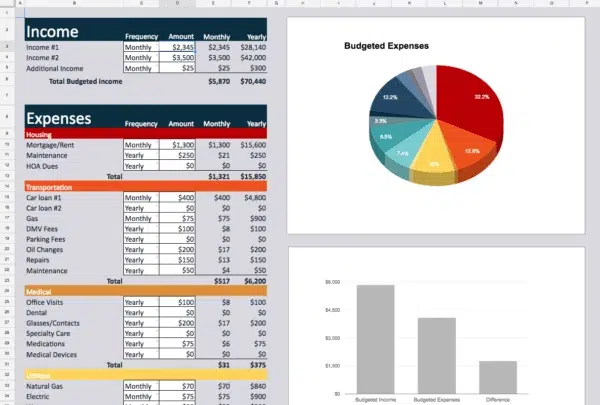
When creating a budget, you may be lost, not knowing where to start. Budgeting templates have a specific format that will guide you to put the right items in the right place. Your financial information will be organized, and you will be able to track your expenses and income easily. The template categorizes your expenses and income sources, making it easier for you to analyze the information and make informed decisions.

Budgeting templates

If you have a life insurance policy, then you can withdraw cash from the face value of it. For example, if your life insurance has a cash value of $30,000 and you withdraw $10,000 for covering emergency expense, then your heirs will receive $20,000 after you die. However, be cautious not to withdraw an amount more than the insurance policy’s cash value; your policy may lapse in that case. Alternatively, you can borrow the needed amount of money from the insurance provider at an agreed-upon interest rate. The interest won’t be tax-deductible.

You can allocate your money more efficiently using a template. When you enter the bill you paid at a restaurant or a coffee shop, you will realize how much extra you have spent on non-essential items. Without a household budgeting template, you will find it very difficult to save money. You can find out how much was spent on essential items and see how much you can save. 

A budgeting template can give you the opportunity to create a long-term financial plan that can include your dream holiday, retirement, new home, car, or wedding. You can have a clear visual representation of your finances. When you are able to track your expenses, you will feel less stressed as your finances will be in your control.

Recommended household budgeting templates

Today, you no longer have to sit with a pen, paper, and a calculator to create a budget. Different household budgeting templates are available that you can easily download and use to create your own monthly budget. The template you choose should serve your unique needs. Here are some good budget templates that you can use.

50/30/20 Template by Tiller

Using this budget template, you can create a monthly budget from scratch. You will get clear instructions on how to modify the sheet according to your needs. Here, you will have to enter the transactions manually. This template is ideal for someone looking for simplicity in creating a monthly budget.

Tiller’s Monthly Budget Calendar for Google Sheets

You can manage your money very effectively using this template. First, set up your monthly spending goal. Then you can review your everyday spending and also the total monthly spending to see if you are in line with your financial goals. The template will automatically fill in the transactions. This budgeting template is simple with no visual clutter.

Budget Tracking Tool Template by The Measure Of A Plan

This template is ideal for all your budgeting needs. It has a dashboard where you can see the summary of your spending. Along with categorizing expenses, you can analyze your historical data to see your spending patterns. If you are looking for a detailed budgeting template, then this is the one.

Simple Budget Template by SmartSheet


You can track all your household spending in one place using this budget template. There is an option to include multiple income sources and various spending categories. You can use this template in both Excel and Google Sheets, along with SmartSheets. It allows multiple people to use the template.

‍Conclusion

Budgeting using these templates will reduce your stress. You will know how much you spend monthly and whether it’s in line with your income. But remember that budgeting using these templates will only work if you stick to it. You must update your budget regularly to adjust for the changes in income and expenses. By knowing where you are struggling financially, you can rearrange your expenses to focus on the essentials first. Money management becomes super easy with these templates.


July 6, 2026 0 comments
1 FacebookTwitterPinterestEmail
Newscashcycleemailexternalinternalmainsmssurveyusa

7 Legit Ways To Get Emergency Cash Fast

by CodeClouds July 1, 2026
written by CodeClouds

No matter how strong your investment portfolio looks, if you don’t have cash, then you will get into financial trouble in times of emergencies. Life is unpredictable, and you must be ready to face any challenge at any time. Sudden illness, business downturn, job loss, mandatory home repairs, or car breakdown can call for emergency cash. If you don’t have enough liquid reserves in your bank, then you will be in trouble. Luckily, in such cases, you won’t have to think about stealing money from others.  There are legit ways to get emergency cash within a very short time.

1.Get money from your own emergency fund or investments

If you have an emergency fund in a savings account or as short-term securities, then withdraw money from there. If you have kept your emergency fund in a high-yield savings account, then it is supposed to grow with time. Ideally, you should have cash equivalent to three to six months of living expenses. This amount can cover your short-term cash necessities.

You might have investments in a brokerage account, securities, or short-term bonds. You can sell those to get cash. These assets may be taxable, so before liquidating, you must consider the tax and other transaction fees. You can liquidate your long-term investments as well; however, the process may take some time.

2.Cash values of life insurance

If you have a life insurance policy, then you can withdraw cash from the face value of it. For example, if your life insurance has a cash value of $30,000 and you withdraw $10,000 for covering emergency expense, then your heirs will receive $20,000 after you die. However, be cautious not to withdraw an amount more than the insurance policy’s cash value; your policy may lapse in that case. Alternatively, you can borrow the needed amount of money from the insurance provider at an agreed-upon interest rate. The interest won’t be tax-deductible.

3.Borrowing money

You can borrow money from various sources when you need an emergency fund. Make sure you understand the interest rates and terms of repayment. Shop around to get the best deal. Remember that borrowing will put extra strain on your already troubled financial situation. So, consider this option with much caution. Here are some sources of borrowing money to meet your immediate cash needs.

Borrow money from friends or family

The money from your friends and family members are interest-free loans, and you won’t have a strict repayment schedule. Unlike other forms of loans, a credit check is also not required. You can pay off the debt at your own pace. You should be aware that failing to pay on time may have negative consequences for your relationship. If you borrow a substantial amount of money, then you must draw a contract so that money doesn’t come between your precious relationship. If you have given a loan to someone, then it’s the right time to ask for it.

Personal loan

You can apply for a personal loan and pay back in monthly installments over a period of time. Once you get approved for the loan, you can take out cash the same day or the next. You don’t need a very high credit score to apply for a personal loan, so it’s easy to get. Apart from the traditional banks, you can find many online platforms offering you a personal loan. Make sure you do thorough research on the reputation and credibility of the online lenders to avoid fraudulent cases.

Home equity line of credit

You can borrow money against your home equity. The interest rates will be reasonable if you have a good credit score and a good amount of home equity. However, if your credit score is poor or you don’t have enough home equity, then your application for a loan may not be approved, or you may have to borrow money at a high interest rate.

401(K) loan

You can take a loan against your 401(K) account. Normally, you can borrow up to 50% of the value of your retirement account. You have to pay back the money with interest through payroll deductions, a one-off payment, or other means. The good thing about this loan is that the interest rate is low. By taking a loan, you will have less money in your account till you pay back. Also, as you have to repay the money, you won’t be able to contribute anything more to the retirement account till you clear the debt. If you lose your job, you will have to pay back the entire amount within a short time, like 3 months. Also, you might have to pay a penalty fee.

Payday loans

This should be your last resort for getting an emergency fund. This is probably the easiest and quickest way you can get a loan to serve your emergency needs. However, what comes afterwards will give you a lot of stress. These are short-term loans that you have to repay on your next payday. The loan comes with high interest rates and additional fees, which can get you into a vicious circle of debt.

4.Cash advances from credit cards

You can withdraw cash from credit cards to cover your emergency expenses. However, the interest rates are very high, around 20 to 30%. Some credit cards offer 0% APR introductory offer. If you take out money from these cards, you won’t be charged any interest for the specific period mentioned for the offer. You can withdraw a limited amount of money from your credit card, usually lower than your credit limit.

5.Sell personal items

If you have any unused or broken jewelry at home, then you can sell it at a pawnshop or various online platforms.to get emergency cash. Arrange a garage sale to sell old clothes, books, furniture, appliances, toys, electronics, or other things. Amazon, eBay, and Facebook marketplaces are good platforms for selling these things.

6.Find an extra source of income

Today, there are lots of part-time jobs available that can give you quick money. You can join Uber and use your car to earn money by picking up passengers or delivering food. You can do dog walking, babysitting, or other similar jobs. Freelancing platforms like Fiverr or Upwork can give you an opportunity as a content writer, virtual assistant, or graphic designer. You can also consider renting out one of your rooms on platforms like Airbnb to get some quick money.

7. Crowdfunding

If you have a desperate cause for needing the emergency money, like paying for medical bills of a critically ill family member, then you can start a fundraising campaign on ‘GoFundMe’ or other platforms. You can collect a lot of money within a short time, provided you can convince people that you are in dire need of the money.

These approaches to managing emergency cash quickly will prevent you from feeling helpless and desperate. However, creating a personal emergency fund is still the best approach to deal with financial uncertainties. Every month, you must keep aside some money for your emergency fund. You will see it grow in no time. Try to avoid applying for payday loans or taking cash out of credit cards. These will push you into a sea of debt. By maintaining a budget and investing well for the future, you will be less likely to fall into a financial crisis.


July 1, 2026 0 comments
1 FacebookTwitterPinterestEmail
Newscashcycleemailexternalinternalmainsmssurveyusa

You Might Have Unclaimed Money Waiting For You

by CodeClouds June 29, 2026
written by CodeClouds

In a time of financial difficulty, getting a substantial amount of money can be a sweet surprise. You can try your shot at the unclaimed money that may have built up over the years without your knowledge. You might have unclaimed money from a job that you left years ago, a bankruptcy filing, security deposits, dormant savings accounts and investments, unclaimed life insurance, lost pension benefits, and others. When you forget to claim these funds within a dormancy period, usually five years, the financial institution will report the unclaimed property to the government.

Why does finding unclaimed money matter?

The unclaimed money belongs to you, so you have the right to claim it. This money can be used to buy a home, a car, pay off debts, build an emergency fund, or simply spend after retirement. The amount of money you may get can change your life drastically. You can meet your financial goals much more quickly than you had expected by utilizing this money well.

How to find unclaimed money

Locating unclaimed money may seem like searching for a needle in a haystack. However, it’s not the case in reality. There are several state websites that will help you to find your money according to different categories. If you want to search by state, then you must visit Unclaimed.org. Just choose your state, provide the basic information they ask for, and search. If you are searching for your business, then enter your company name.

Alternatively, you can visit the website of the respective departments to find your unclaimed money. For example, for a tax refund, contact the state revenue department or the Internal Revenue Service (IRS). If you didn’t apply for a tax refund, but you are eligible for it, then this money will remain unclaimed in the state revenue department. Sometimes, you may not receive the refund check even after applying because you might have moved to a new address. In such a case, the check will also be returned to the IRS. So, you will have to check with them to claim your refund.

In case of unpaid wages, if you think your employer has broken any labor law by not paying you, then you can search the database of workers for your money. In this database, your information will be held for up to three years. You can look into the website of the Federal Deposit Insurance Corporation (FDIC) for any unclaimed money from old accounts or investments. You can also search the MissingMoney.com website for missing funds of various. If a company or an investor owes you money, then it will be listed in the Securities and Exchange Commission (SEC). The TreasuryHunt.gov will have the list of unclaimed funds from savings bonds.

Final words

Check your credit report regularly. It will help you to stay informed about your current score and notice any suspicious activity or errors that may lower your score. If you find any inaccurate information or abnormal transactions in your credit report, then you must report it to your credit reporting agency immediately. By knowing where you stand financially, you can plan properly for your future.

June 29, 2026 0 comments
1 FacebookTwitterPinterestEmail
Newscashcycleemailexternalinternalmainsmssurveyusa

Credit Score Improvement Habits Everyone Should Adopt This Year

by CodeClouds June 24, 2026
written by CodeClouds

If you thought your credit score didn’t matter, you were wrong. The financial system today is designed in such a way that your credit score is tied to everything. Whether you want to take a loan, mortgage, or even apply for a new job, your credit report will be pulled. So, there is no escape from your credit score. A poor credit score will give the financial institutions a negative idea about your ability to manage your finances. The credit score also reflects your personality. That’s why employers usually don’t choose candidates with a poor credit score, as it questions the candidates’ trustworthiness and reflects irresponsible behavior. Therefore, it is necessary to improve your credit score and maintain a good score throughout your life.

Ways to improve a credit score

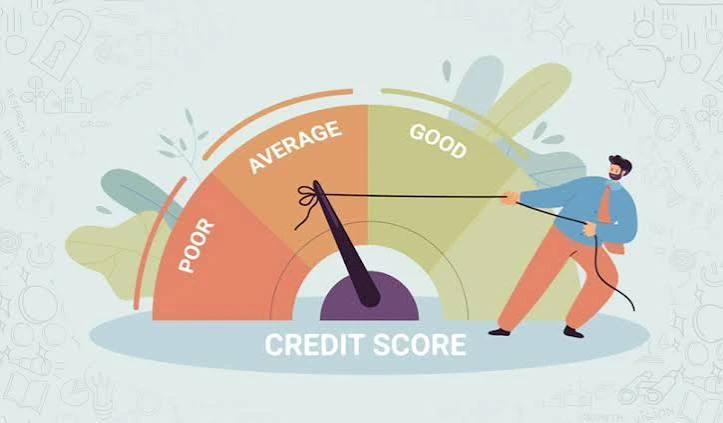
A credit score basically tells lenders whether you are reliable at borrowing money and repaying it on time. Trying to improve credit scores is all about building a number of good habits. Over time, these habits can make a substantial difference in your life.

Making payment on time

You must always pay bills like rent, cellphone, utilities, insurance, credit card payments, and others on time. The score mainly depends on your payment history. Missing even one payment will cause your credit score to go down. Therefore, no matter how difficult your financial condition is in a particular month, make sure to pay at least the minimum amount to maintain your credit score. You can set up calendar reminders or auto payments from your account to guarantee payment every month on time. Even late payments will lower your credit score because your late payment record will stay on your credit report for seven years.

Keeping balances manageable

You should be cautious about using your available credit. It is recommended that you keep your balances at least lower than 30% of your overall credit limit. By monitoring your spending, you can ensure that you don’t use up all your credit, which might eventually hurt your credit score. In case you have high credit card balances, you must take action to pay them off quickly. You can use different debt repayment strategies, like taking a debt consolidation loan, considering a balance transfer credit card, or a debt management plan.

Reviewing your credit on a regular basis

Check your credit report regularly. It will help you to stay informed about your current score and notice any suspicious activity or errors that may lower your score. If you find any inaccurate information or abnormal transactions in your credit report, then you must report it to your credit reporting agency immediately. By knowing where you stand financially, you can plan properly for your future.

Keeping old accounts open

The longer credit history you have, the better. Therefore, don’t close your old accounts even if you don’t use them much. Those accounts will help to show that you have a good track record of credit use. You won’t be able to keep your loan accounts open once you pay off the debt, but you can keep your credit cards open all the time. Don’t keep the credit card idle, though; use it every couple of months to keep the card active.

Diversifying your credit profile

The way you manage your credit mix can affect your credit score. If you are managing a credit card, a mortgage, and a car loan properly, then you will have a better credit score than someone who is managing only one credit card well. So, try to grow your credit mix over the years. But be careful not to apply for more loans than you need; otherwise, you won’t be able to repay them on time.

Limiting your credit applications

Don’t just keep on applying for new credits blindly. Whenever you apply for credit, the lender will do a hard inquiry on your credit report, which will lower your credit score. Also, don’t apply for credit too frequently. Check for lenders who offer preapprovals. That way, you will know whether you might have a good chance of being accepted for the loan. So, you can limit your credit applications only to those lenders who seem worth trying.

Becoming an authorized user

If your loved one, who is a financially responsible person, includes you as an authorized user on their credit accounts, then you will notice an increase in your credit score. Make sure their payment history is strong, and they have a low credit utilization rate.

You must know that your credit score won’t improve overnight. You have to be patient, as the score may sometimes climb slowly after all your efforts. With a good credit score, you can dream of securing a mortgage or a loan for your dream car at lower interest rates. You will have a bright financial future. Therefore, set a financial goal to help you become more disciplined in managing credit and maintaining a high credit score all the time.

June 24, 2026 0 comments
1 FacebookTwitterPinterestEmail
Newscashcycleemailexternalinternalmainsmssurveyusa

Smart Money Moves Anyone Can Make—No Matter Where You’re Starting From

by CodeClouds June 23, 2026
written by CodeClouds

There is a common misconception that financial advice only matters once you’ve reached a certain income level. 

That’s incorrect. 

The smartest money habits work at any income and any life stage. 

We have put together a list of tips that financially comfortable people make all the time quietly, and there’s no reason everyone else shouldn’t be making them too.

Learn How to Use Your Credit Score to Build Wealth

Most people only give their credit score a second thought when they want to apply for something and hope it’s good enough for approval. But that approach costs them money.

Credit scores play a role in…

The interest you pay on loans, credit cards, and car financing. They also affect apartment applications and some job applications.

A bad credit report could cost you thousands of dollars in difference over time. 

Don’t let that happen to you.

Start by pulling your credit report for free once per year at annualcreditreport.com, or every week from the three major credit bureaus Equifax, Experian, and TransUnion. Costly errors are more common than people realize and disputing them is free. 

Once you know what your credit score is and clean up any inaccuracies, the next step is to keep an eye on it. You can monitor your credit score with tools like MyFico, Credit Karma, and Experian for free without negatively affecting it. 

Tips for Using Your Credit Score Correctly

Always keep your credit card balances below 30% of the limit, and not opening multiple new accounts at once are all good practices. A few other tips include:

  • Pay down your balances as soon as you can. If you use your credit card for a purchase, it’s a good idea to pay it off in full before your balance posts. 
  • Consider a credit builder loan to increase your score over the course of six or so months.
  • Become an authorized user on a credit card you share access to. If the credit card is in good standing, you benefit from their on-time payments.
  • Don’t close old accounts in good standing.  That can hurt your credit score.
  • Limit new lines of credit. With each application you take, your score dips temporarily.


Don’t Leave Free Money on the Table

Did you know that billions of dollars sit in unclaimed property databases every year? Your state maintains a free searchable database of unclaimed funds, and searching it takes about two minutes at missingmoney.com or your state treasurer’s website. 

In addition to unclaimed property, your employer’s 401(k) matches are another way you could be leaving money on the table. In fact, it is the most common way to leave money on the table. Make sure you are contributing enough to get the full match on your retirement account. 

Tax Credits are another way you could be leaving money on the table. The Earned Income Tax Credit is one of the biggest tax credits that goes unclaimed. 

Class action settlements, too, could be another overlooked source of income. Companies settle lawsuits and set aside money for affected customers regularly, and checks go uncashed because people didn’t know they were qualified.

None of these things requires any special action beyond checking to see if you qualify. So don’t wait to explore it.

Protect Your Income and Stability Now

Most financial conversations focus on earning and saving, but protecting what you already have is equally important.

Invest in insurance 

One way to protect what you have is by investing in good insurance. Health insurance, renters insurance, or homeowners insurance are all ways to protect yourself financially right now. Full auto coverage is also a good idea to avoid catastrophic accidents. 

While not every landlord requires renters’ insurance, it’s a good idea to have it. Renter’s insurance runs about $15-$30 per month and covers theft, fire, and liability in ways most renters don’t realize. 

Protect your financial accounts

Password-protecting your account is also a great way to prevent issues with your financial accounts. Monitoring them for identity theft costs nothing and prevents a problem that can take years to untangle. 

Don’t think of money as something to use offensively, but also something to use defensively. Make sure what you build stays intact by being proactive about protecting it.

There is Good Debt and Bad Debt—Make Sure You Know the Difference

Debt is a normal part of most people’s financial lives; the goal isn’t to eliminate it but to understand it and manage it strategically.

High-interest debt, like credit cards, costs the most and should be addressed first. Even paying slightly more than the minimum each month dramatically reduces total interest paid and time to pay it off.

So, if you have bad debt, what’s the best way to pay it off?

There are a few methods.

Some people use something called the avalanche method, where you put any extra money toward the highest interest debt you have first, while paying minimums on everything else. This is mathematically the fastest way out of debt.

Others use something called the snowball method. This is where you pay off the smallest balance first for the psychological momentum of eliminating accounts. This works better for some people, even if it costs slightly more in interest.

For others, debt consolidation and balance transfer options can reduce interest rates significantly for people with decent credit. This could be worth researching if you’re carrying balances across multiple cards. 

The key insight is to be strategic about debt rather than just stressed about it. This tends to produce faster results and significantly less anxiety. 

Consistency is The Key

No matter what move you make, the key is to do it consistently. Instead of thinking about your financial health in a month-to-month survival mode, it’s important to think about the long-term. Set goals. What do you want your credit score to look like in six months? What actions are you taking to get there? What about your emergency savings? What action will you take to build it up?

Small, consistent habits can improve your credit, reduce your debt, and set you on a path toward greater financial breathing room. 

For anyone who wants to explore what financial programs or resources might be available to them, YourFinancialAssist.com is a good place to start. 

June 23, 2026 0 comments
1 FacebookTwitterPinterestEmail
Newscashcycleemailexternalinternalmainsmssurveyusa

Debt Consolidation Methods to Pay Off Your Loans Faster

by CodeClouds June 22, 2026
written by CodeClouds

Are you currently burdened with multiple debts? Wouldn’t it be nice just to manage one debt instead of so many? Then, debt consolidation can be the right solution for you. You can consolidate your multiple debts into a new credit card or loan at a favorable interest rate to make your life less stressful and manageable. You will have fewer payments to make, which will help you to pay off the loan faster. There are a number of debt consolidation methods that you can choose from, and these are discussed here.

Personal loan

It is an unsecured loan that you can take from a bank or a credit union. You won’t need any collateral to apply for this loan. These loans will offer a lower interest rate than credit cards, which is why taking a personal loan for debt consolidation is a popular choice. You will need a good credit score to apply for this loan.

Balance transfer

You can apply for a new credit card that offers a high credit limit and a low interest rate. You can then transfer the balances of your old credit cards to the new card. Some credit card companies will offer you 0% interest rate on the balance for a certain length of time. However, you must remember that after the interest-free period, the interest rate can increase sharply. So, try to pay off as much of the debt amount as possible during this interest-free period. You may have to pay a 3% to 5% fee on your transferred amount.

Home equity loan

This debt consolidation method is appropriate for a home owner who has developed equity over many years. These are secured loans, and you need to provide your equity as collateral. So, if you fail to pay off the debt, you will lose your home. The interest rate will be a bit higher than average mortgage rates, but still it’s below credit card rates.

Mortgage refinance

If you take a new mortgage on your house, then you can pay your unsecured debts and repay the old mortgages with it. You must have sufficient equity for consolidating your debts; otherwise, you will require extra mortgage insurance costs.

Debt settlement program

This method of debt consolidation involves a third party. You pay to the program and not to the creditors. The program handles all kinds of interactions with the creditors on your behalf. In this program, you negotiate a payoff that is lower than the amount you owe. People who are behind lots of payments and now require to take a hard step usually go for this program. It’s usually considered the last resort, as it damages your credit score severely. The debt settlement companies will ask you to stop paying the creditors so that they are bound to accept only a part of what you owe them. That way, you will incur lots of late payment fees and penalties. Missing lots of payments will lower your credit score.

Debt management plan

In this method, you need to consult a nonprofit credit counseling agency and agree to make one payment every month.  That agency will then pay all your creditors from this single payment on your behalf. The creditors prefer repaying through a debt management plan because it provides a structured repayment schedule and guarantees full payment. It also lowers the risk of default, thus increasing the chances of loan recovery. The creditors often offer incentives, like lower interest rates, when you pay through a debt management plan.

DIY debt consolidation

You can consolidate debt on your own as well. You can use the snowball or the avalanche method. In the snowball method, you pay off your small loans first and then move to the larger ones. In the avalanche method, you pay off loans with the highest interest first and then deal with the lower interest ones.

The type of debt consolidation method you choose will depend on the size of your debt. If your loan amount is small, then a personal loan or credit card balance transfer will be the right option for you. But if your loan amount is moderate to high, then a home equity loan will be more appropriate, as it will give you a larger loan amount compared to the unsecured loans.

Debt consolidation may lower your credit score as the lender will conduct a hard inquiry on your credit report. Also, as you will get a more extended period to pay off the debt, even with a lower interest rate, you may end up paying a larger amount of interest in total. After debt consolidation, develop habits to improve your credit score, like paying bills on time and limiting your credit card spending to keep your credit utilization ratio low. At the same time, try to pay off the new loan you have taken for debt consolidation as quickly as possible to avoid paying more interest. Debt consolidation is a powerful tool to get back on track with your finances.


June 22, 2026 0 comments
1 FacebookTwitterPinterestEmail
Newscashcycleemailexternalinternalmainsmssurveyusa

Hidden Financial Assistance Programs Most Americans Never Apply For

by CodeClouds June 17, 2026
written by CodeClouds

Millions of dollars in financial assistance go unclaimed every year. The sad truth is, most people don’t even know these programs exist. If you’re barely making ends meet and feel stressed about paying bills, rent, or affording groceries; you’re not alone. And chances are, you qualify for financial assistance you’ve never heard of.

These are real programs available to American families right now. They’re not secret; you just don’t know about them. Here’s what you need to know.

LIHEAP: Heating and Cooling Assistance Program

Summer heats up, and winter blasts are notoriously expensive. If you’re a low-income household that struggles to pay utility bills each month, LIHEAP can help.

LIHEAP stands for the Low Income Home Energy Assistance Program. It provides financial assistance to pay electricity and gas bills. They can also help with emergency energy situations, such as utility shutoffs.

The program is federally funded but administered by each state. So, qualifications and benefits differ from place to place. But almost every state offers rolling enrollment so that you can apply at any time.

You can apply by visiting your state’s social services website or benefits.gov to search for assistance in your area.

Lifeline: Reduced Cell Phone and Internet Program

Having a phone these days is more important than ever. Whether you’re applying for jobs or checking in with doctors, staying connected is critical.

The Lifeline Program provides free phone and discounted internet service to qualifying Americans on a limited income.

A lot of people don’t realize this program is available to them. But if you bring home less than 135% of the Federal Poverty Guidelines per year at your household, you qualify. So does anyone who receives SNAP benefits or Medicaid.

”A lot of people who qualify for Lifeline don’t apply because they think they don’t qualify,” said a consumer financial advocate. “The best part is it only takes about 10 minutes to check if you qualify online.”

Earned Income Tax Credit

Tax season is another great opportunity to access financial assistance. A lot of people know about tax credits for first-time homeowners and students… but did you know about the Earned Income Tax Credit?

It’s one of the most significant refundable tax credits most people have never heard of. And it could give you thousands of dollars back come tax time.

The Earned Income Tax Credit (aka EITC) provides qualifying people who work with a refundable tax credit. In other words, you don’t have to owe any taxes to benefit from the EITC.

The IRS estimates that each year, about 1 in 5 people who qualify for EITC don’t claim it. In recent years, over 27 million taxpayers claimed the EITC and received an average rebate of $2,318.

The amount you qualify for depends on your income, filing status, and the number of children in your household. Families with three or more kids qualifying for the EITC received over $7,000 in recent years. People who file taxes as “Single” with 0 qualifying children received several hundred dollars on average.

You don’t need to inquire about EITC separately. When you file your taxes, simply check the box that says you want to claim the Earned Income Tax Credit. Or use a free filing service like IRS Free File, which will guide you through the process.

Temporary Assistance for Needy Families (TANF)

You’ve likely heard of TANF. And you may have mistakenly written the program off as just another welfare program.

While TANF does provide cash assistance to eligible families, it’s important to know how those funds can be utilized. Each state provides benefits differently. 

Some use TANF funds to provide job training, childcare support, assistance with medical expenses, and transportation costs. Think of TANF as a handshake. Not a handout. 

”TANF is meant to help families succeed long term. If you only take the check and do not utilize other services your local social service office offers, you’re missing out,” says a Family Support Services Coordinator.

As of 2024, the average monthly benefit across the median state was about $549. But many programs attached to TANF are far more valuable than cash alone.

BenefitsFinder from The U.S. Government

Wondering where to start? Benefits Finder is a tool provided by the U.S. government that will ask you a series of questions. Then, output every program you qualify for. 

Whether you need help with food, health care, housing, or even money for school, Benefits Finder will show you every program for which you qualify.

From start to finish, it takes about five minutes. And it might open the door to hundreds or thousands of dollars in benefits. Take advantage of help when you need it. You shouldn’t have to struggle to make ends meet.

Explore our website for guides on applying for help and what programs you can qualify for. There’s help out there, and let us help you find it.


June 17, 2026 0 comments
1 FacebookTwitterPinterestEmail
Newscashcycleemailexternalinternalmainsmssurveyusa

Emergency Fund Building Strategies for a Secure Financial Future

by CodeClouds June 15, 2026
written by CodeClouds

On a regular day, your life may suddenly turn upside down when you have to take your spouse to the hospital for a medical emergency. You find out that your medical bill is $ 5,000, but your account balance shows $ 2,000. Life is full of uncertainties like this, and it’s wise to be prepared financially for it. Any emergency medical expense, loss of job, or unexpected home or car repair requires immediate cash. If you have an emergency fund ready, then you won’t have to worry too much about your sudden uninvited expenses. Setting up an emergency fund is easy; all you need to do is develop the habit of saving money on a regular basis.

What is an emergency fund?

An emergency fund is the money you save in small amounts on a regular basis, preferably monthly, for unplanned expenses. If you don’t create this fund, then you will have to rely on loans or funds from other sources, like a retirement fund, to pay for your emergency expenses. It is better to save an amount equivalent to 3 to 6 months of your income as an emergency fund. Even small amounts of savings every month will eventually grow to a sufficient amount to walk you through your tough times.

You must ensure that your emergency fund is easily accessible. If you keep it as a fixed deposit, then you may not access the fund immediately when you need it. You should put the money somewhere so that you can withdraw it anytime. At the same time, make sure that you are not tempted to use up the money for non-emergency cases.

You can consider putting it in a high-yield savings account. It will give you easy access to your money and also provide you with more interest than a normal savings account. You can load money into a prepaid card, too. Other options include money market accounts and short-term certificates of deposit. Though keeping cash at home or with someone is risky, many people consider this option as well. You must never put your emergency fund in stocks, real estate, or other long-term investments.

Strategies to build emergency funds

Having an emergency fund can help you cope with financial shocks. There are a number of strategies you can use to create your emergency fund. You will find many of them easy to follow. Assess your current financial situation first to decide how much money you can keep aside to build up the fund.

Develop a habit of saving

You must build up the habit of putting away a small amount of money every month for your emergency fund. Having an achievable goal can give you the motivation to save money. For example, aim to save $500 in three months.

Monitor your cash flow

Track your cash flow regularly. That way, you won’t fall short of money towards the end of the month, which will eventually stop you from saving for emergencies. If you see that your expenses have been high during the first week of the month, then try to control the expenses for the rest of the month. Try to create a realistic budget at the beginning of the month and stick to it.

Save whenever opportunities arise

You might get an annual bonus or commission. Instead of using up the entire amount to celebrate by going on holiday, save a good portion of it for emergency funds. If you receive a cash gift for your anniversary or birthday, you can save that too. You can utilize the tax refund you get at the end of the year by keeping a portion of it as an emergency fund.

Set up auto savings

You can set up an auto payment system in a savings account every month. This way, you will save consistently for your emergency fund. Just ensure that you have enough money in your checking account at all times.

Increase income and cut expenses

You can start a new side business or a job. You can try freelancing work, food delivery, or other part-time jobs. You can use the money from the second job as an emergency fund. Looking at your monthly budget, try to find out where you can cut expenses. If you have a subscription to movies, for example, you can think of getting rid of it. You can also consider using public transport instead of using a taxi.

Emergency funds can protect you from a financial crisis today and in the future. If you once fall into the pit of debt created because of a lack of money, then it’s very difficult to come out of it. Having emergency fund can help you recover fast from any unexpected events. Once you create the fund, you must reevaluate and adjust it from time to time. For instance, if your financial situation improves, then put more money in the fund. Your emergency fund will act as a financial cushion during your tough times. You can remain stress-free by having a strong fund by your side.


June 15, 2026 0 comments
1 FacebookTwitterPinterestEmail
Newscashcycleemailexternalinternalmainsmssurveyusa

Retirement Planning Steps for Professionals in Their 30s

by CodeClouds June 10, 2026
written by CodeClouds

Many people delay their retirement planning till they reach the age of 50. If you are one of them, then you are thinking it all wrong. You won’t have enough money available to lead a comfortable life after your retirement. It is better to start the retirement planning when you are in your 30s as at this age you will grow a sense of responsibility and confidence about life. By this time, you will know how you want to lead the rest of your life.

What is retirement planning?

Retirement planning involves finding out your long-term goals and taking necessary actions to reach those goals. You must include level of risk tolerance in your planning. You need to identify all your income sources and calculate expenses to find out where you stand financially at the moment. Then come up with a savings plan that will help you to reach your goal within a specified number of years.

The retirement plan will not be a fixed document. It will keep on changing in the coming years depending on your income and expenditure. Your goal may also change down the line and you have to make adjustments to your retirement plan accordingly. You should take into account your future liabilities, expenses and age limitation.

There is no magic number that you have to save for your retirement. It is very personalized and depends on your goals, income and expenses. Some people say about $1 million will be enough to retire. Others think you need to save 80% of your income to retire comfortably. Many people also think that it all depends on your lifestyle.

Steps to take for retirement planning at 30s

At this point in life, you will have more earning power than before and so you can start saving for your future. When you plan at your 30s, you will have 35 years of time to build the fund you want for your retirement. Here are the steps you should take to plan your retirement at your 30s.

Define your goals

If you can decide your goals at the beginning, then you will be on the correct path towards a financially sound future. Think about what you want to do after your retirement, like go on a world tour, buy a new house, or get your children married. You must also decide on your retirement age. Think about your future expenses, like your housing, healthcare, transportation, leisure activities, hobbies, and others. Now determine how much income will be sufficient to cover those expenses and maintain a good lifestyle.

Stick to your budget

Create a realistic monthly budget and try to stick to it all the time. Keep your spending in check by avoiding unnecessary expenses. Include emergency fund in your budget for unexpected expenses like car repairs or medical bills so that you don’t have to use up your retirement fund for emergencies.

Pay off debts

You must pay off debts as quickly as possible so that you can save up more money for your retirement. Don’t apply for any new loan unless it’s necessary. Try to pay off the high-interest loans first. Having debts after retirement will be the last thing you would want. 

Save up money

It’s time to develop good saving habits. Your consistent savings will contribute significantly to your retirement fund. Start depositing small amount of money every month in a savings account. If you get bonus or salary increment, then increase your savings. You should save at least 15% of your income for retirement.

Make use of employer-backed retirement accounts

You must take advantage of your retirement account (IRA) or a 401(k) that gives tax benefits. These accounts come up with matching contributions from your employers. If you can put aside part of your income in these accounts, then you can create a good retirement fund. When your salary grows, try to add more money in these accounts. In the 401(k) retirement savings plan, your contributions are taken from your pre-tax paycheck, so your money grows fast but your income tax will be deducted at the time of withdrawal. The Roth 401(k) deducts contributions from post-tax paycheck and you won’t have to pay any income tax when you withdraw money. The maximum amount you can contribute to a traditional or Roth IRA account before turning 50 is $7,500. If your Modified Adjusted Gross Income is more than $150,000, then you won’t be eligible for a Roth IRA. You must not withdraw your 401K prior to age 59.5years, else you will be penalized.

Invest in annuities

You can consider putting your money in annuities as part of your retirement plan. You make a contract with an insurance company to pay a sum of money in return of income over some time. In the single premium immediate annuity (SPIA) you pay a lump sum amount upfront so that you are guaranteed an income over a specific period of time. In deferred income annuity (DIU), you can ask for the income during retirement. There are other types of annuities where you can invest, too.

Diversify your portfolio

When you start planning your retirement in your 30s, you have the benefit of time. So, you can easily spread your investments. You can diversify your portfolio with bonds, IRAs, mutual funds, and other opportunities. Diversification of the assets will lower the risk. Do a thorough research and invest in something that is less risky. Always stay updated with the industry news if you decide to invest in stocks and bonds.

Talk to a financial advisor

If you have a good retirement plan by your side, you can lead a good life in future. So, it’s recommended that you speak to a financial advisor about it who can develop a comprehensive retirement plan for you. Life events can change your financial goals, like marriage or higher education. A financial advisor will adjust your retirement plan accordingly.

You must take steps to protect your retirement savings. You can apply for a disability insurance which can help cover your daily expenses in case you are unable to work in future. You can think of applying for a private medical insurance too for covering your health expenses during your retirement age.

In your thirties, you focus on your career, family and mortgage. Just include one more item in your priority list, that is, retirement planning. The time is hectic for you undoubtedly, but this step will help you to be financially strong in future.


June 10, 2026 0 comments
1 FacebookTwitterPinterestEmail
Newscashcycleemailexternalinternalmainsmssurveyusa

Index Fund Investing Guide for Complete Beginners

by CodeClouds June 8, 2026
written by CodeClouds

If you are looking for an easy investment opportunity, then you must invest in index funds. Unlike other types of investments, like individual stocks, where you have to monitor your investments continuously and be informed about industry news, index fund investing requires no such hassle. It’s a stress-free long-term investment opportunity and is appropriate for new investors.

What is an index fund?

In this type of investment, you will exactly replicate the performance of a particular market index, such as the S&P 500, which includes both bonds and stocks. When the index rises, the fund will rise, and when the index falls, the fund will fall too. Here, you don’t need to select individual stocks; instead, you look at a group of stocks at once. You can easily build up a diversified portfolio and get good returns. With an index fund, you won’t be competing to get an upper hand in the market. You will buy stocks of all firms that are listed on the index and mirror its performance as a whole. Therefore, there is less risk involved in this type of investment.

Advantages of index funds

One of the main advantages of index funds is that it offers diversification, which eventually helps in reducing risk. As the market is volatile, you will need to deal with shocks. With a diversified portfolio, you will have to absorb less shock than if you had invested in a single stock. Another advantage of index funds is that the fees are low, as less research is required to manage the funds. Additionally, you won’t have to buy or sell too frequently, unlike individual stocks. Index funds are also more tax-efficient than other investments. As you need less decision-making, this investment gives you less stress as well.

Disadvantages of index funds

Unlike other investments, you won’t be able to outperform the market with index funds. So, your returns will always be average. It is appropriate for those who want steady growth over a long period of time without much risk. However, this type of investment is not risk-free. For example, if the entire stock market declines, then it will affect the index funds the same way it will affect the individual stocks.

How do index funds work?

An index fund will follow the performance of a market index. There will be a fund manager for monitoring the index. An index includes stocks and securities that represent a specific market segment. Whenever the index makes any changes to its portfolio, the manager will buy or sell. This way, the index fund will always match the index.

The popular index S&P tracks the 500 largest U.S companies, the BRVM Composite Index tracks the major companies across many West African countries. So, first choose the index you would like to invest in, that is, S&P, BRVM Composite, or others. Then look for an Exchange Traded Fund (ETF), mutual fund, or other types of index funds that track the index you have chosen. You will find brokerage platforms offering multiple funds. So, you must compare a platform that offers the index you want to buy and also has low administrative and operational costs. Then open an account with the broker and buy shares in the chosen fund.

Before investing, you need to set up your goal and the timeline, which can be retiring within the next 30 years, building wealth for a long time, paying for children’s education, buying a home, or others. By knowing your goal and time horizon, you can decide how much money you need and when. If you have a longer time horizon, then you will have more exposure to stocks. 

Then decide the kind of index exposure you would like; for example, U.S stock index funds, bond index funds, international stock index funds, or stock-and-bond combination funds. If you have a higher stock allocation in your investment portfolio, then you will expect higher growth. However, you have to trade under higher volatility as well. If you add bonds to your portfolio, then you can reduce volatility at the cost of lower expected returns. You should build a balanced portfolio consisting of different types of index funds.

When comparing prices, don’t forget to include the administrative cost, that is, the expense ratio as well, which will later be subtracted from your returns as a percentage of total investment. You should keep your eyes on the market and monitor the changes. If necessary, change your strategy by looking at your past performances.

Investing in index funds is comfortable and a cost-effective way of improving your financial condition. You must focus on your long-term goal and risk tolerance when investing in index funds. As a beginner, you should talk to a financial advisor and get personalized advice. Index fund investing is promising as it combines diversification with low cost and simplicity. Since an index fund is considered to be a passive investment, that is, one that doesn’t require much research or monitoring, as a new investor, this investment is worth trying.

June 8, 2026 0 comments
1 FacebookTwitterPinterestEmail
Newscashcycleemailexternalinternalmainsmssurveyusa

The Most Common Reasons People Get Denied Financial Assistance

by CodeClouds June 3, 2026
written by CodeClouds

Applying for financial assistance is exciting. Having your application denied sucks. The upside? Denials are usually preventable. Learning why applications get denied will help you avoid common mistakes next time.

Let’s review the top reasons people get denied and how to avoid those mistakes.

Missing Documents 

This is by far the most common reason applicants have their applications denied. Welfare programs and government assistance agencies like documentation. Lots and lots of documentation. Proof of income. Proof of identity. Proof of residency. Proof of household size. If you’re missing one document, or that one document has expired, you can be denied immediately.

Create a checklist before you start. Do you have recent pay stubs? Recent tax returns? Valid ID? Gather everything the program requests in advance, then double-check that everything is up to date. It only takes seconds for someone to glance over your application and reject it for being “incomplete,” sometimes costing you weeks of benefits…or even losing your opportunity to apply altogether.

Income is Too High or Sometimes, Too Low

Many assistance programs have a clearly defined maximum income amount. Make too much money (even by a few dollars!), and you won’t qualify. But here’s the kicker: Some assistance programs have minimum income limits too! You may find that you make too little money to qualify.

“A common misunderstanding about qualifying for financial assistance is income requirements. Eligibility for assistance isn’t simply cut off at a certain income level.”

Read everything before you apply. Find out exactly how much income you can make, and how the program defines ‘household income.’ Some assistance applications consider anyone who lives in your household. Others only care about the people listed on the application.

Applying for the Wrong Programs 

Some assistance programs are for seniors only. Others are only available to veterans. There are programs for renters and homeowners. Programs for people with certain diseases or medical conditions. Applying for something you don’t qualify for is a waste of your time, and it pushes you further away from finding the right program.

Take the time to research your options first. Carefully read the eligibility requirements before you apply. It’s not enough to look at the overview or bullet points. Dig into the details. Most programs have age restrictions, residency restrictions, and sometimes even employment requirements.

Missing the Application Window 

Payment programs don’t always accept applications. They have deadlines. When those deadlines pass, you’re out of luck until the next cycle.

Some government programs offer benefits on a first-come, first-served basis. Even if you qualify, if you don’t apply soon enough, you may not get anything at all.

Filling out the Application Incorrectly 

Let’s say you accidentally put the wrong number down for your yearly income. Or your social security number has one number miskeyed. You forgot to fill in a box. Any of these mistakes can cause your application to get denied or put it on hold while someone manually reviews it.

“All of the information on the application matters. Leave no question blank.” 

Double-check your application before submitting. Read every question and ask yourself if you answered it correctly. Consider asking a friend or family member to review your application with you. Sometimes it helps to have another pair of eyes.

Not Meeting Citizenship or Residency Requirements 

Federal and state-run assistance programs often require you to be a U.S. citizen or legal permanent resident. If your documents don’t match or you can’t prove your citizenship/residency, you may be denied, even if you technically qualify.

Verify that you qualify before applying. Double-check you have the required documents to prove your residency. Make sure the address on your documents matches the address on your application.

Don’t Get Denied 

When your application gets denied, don’t get discouraged. Many programs allow you to appeal the decision, reapply during the next season, or apply to a similar program through a different agency.

The most important thing you can do after getting denied is to learn why you were denied. Carefully read the explanation they provide. Correct the issue, then try again. 

Want help finding financial assistance that fits your situation?

Head over to our website to find articles, guides, and tools designed to help you get the financial assistance you need. Check out our topic guides to learn about programs that may apply to you today.

June 3, 2026 0 comments
1 FacebookTwitterPinterestEmail
Newscashcycleemailexternalinternalmainsmssurveyusa

5 Smart Money Moves Anyone Can Make—No Matter Where You’re Starting From

by CodeClouds June 1, 2026
written by CodeClouds

If you’ve ever stared at your bank account and thought, “There’s no way this is lasting until next Friday,” you’re not the only one. Life doesn’t slow down just because money is tight. Rent keeps climbing. Groceries cost more every month. And the pressure of trying to earn more—while still handling family, work, or health—can feel impossible.

The truth is, most people don’t need a brand-new career overnight. They need realistic ways to boost income, along with tools that help them access financial support programs they may not know exist.

This article walks through simple, practical ways to earn more money in 2025—without blowing up your schedule. It also shows how YourFinancialAssist.com can help you discover work-from-home opportunities, career paths, bill‑support resources, and money‑saving programs all in one place.

Learn How to Use Your Credit Score to Build Wealth

Most people only give their credit score a second thought when they want to apply for something and hope it’s good enough for approval. But that approach costs them money.

Credit scores play a role in…

The interest you pay on loans, credit cards, and car financing. They also affect apartment applications and some job applications.

A bad credit report could cost you thousands of dollars in difference over time. 

Don’t let that happen to you.

Start by pulling your credit report for free once per year at annualcreditreport.com, or every week from the three major credit bureaus Equifax, Experian, and TransUnion. Costly errors are more common than people realize and disputing them is free. 

Once you know what your credit score is and clean up any inaccuracies, the next step is to keep an eye on it. You can monitor your credit score with tools like MyFico, Credit Karma, and Experian for free without negatively affecting it. 

Tips for Using Your Credit Score Correctly

Always keep your credit card balances below 30% of the limit, and not opening multiple new accounts at once are all good practices. A few other tips include:

  • Pay down your balances as soon as you can. If you use your credit card for a purchase, it’s a good idea to pay it off in full before your balance posts. 
  • Consider a credit builder loan to increase your score over the course of six or so months.
  • Become an authorized user on a credit card you share access to. If the credit card is in good standing, you benefit from their on-time payments.
  • Don’t close old accounts in good standing.  That can hurt your credit score.
  • Limit new lines of credit. With each application you take, your score dips temporarily.

Don’t Leave Free Money on the Table

Did you know that billions of dollars sit in unclaimed property databases every year? Your state maintains a free searchable database of unclaimed funds, and searching it takes about two minutes at missingmoney.com or your state treasurer’s website. 

In addition to unclaimed property, your employer’s 401(k) matches are another way you could be leaving money on the table. In fact, it is the most common way to leave money on the table. Make sure you are contributing enough to get the full match on your retirement account. 

Tax Credits are another way you could be leaving money on the table. The Earned Income Tax Credit is one of the biggest tax credits that goes unclaimed. 

Class action settlements, too, could be another overlooked source of income. Companies settle lawsuits and set aside money for affected customers regularly, and checks go uncashed because people didn’t know they were qualified.

None of these things requires any special action beyond checking to see if you qualify. So don’t wait to explore it.

Protect Your Income and Stability Now

Most financial conversations focus on earning and saving, but protecting what you already have is equally important.

Invest in insurance 

One way to protect what you have is by investing in good insurance. Health insurance, renters insurance, or homeowners insurance are all ways to protect yourself financially right now. Full auto coverage is also a good idea to avoid catastrophic accidents. 

While not every landlord requires renters’ insurance, it’s a good idea to have it. Renter’s insurance runs about $15-$30 per month and covers theft, fire, and liability in ways most renters don’t realize. 

Protect your financial accounts

Password-protecting your account is also a great way to prevent issues with your financial accounts. Monitoring them for identity theft costs nothing and prevents a problem that can take years to untangle. 

Don’t think of money as something to use offensively, but also something to use defensively. Make sure what you build stays intact by being proactive about protecting it.

There is Good Debt and Bad Debt—Make Sure You Know the Difference

Debt is a normal part of most people’s financial lives; the goal isn’t to eliminate it but to understand it and manage it strategically.

High-interest debt, like credit cards, costs the most and should be addressed first. Even paying slightly more than the minimum each month dramatically reduces total interest paid and time to pay it off.

So, if you have bad debt, what’s the best way to pay it off?

There are a few methods.

Some people use something called the avalanche method, where you put any extra money toward the highest interest debt you have first, while paying minimums on everything else. This is mathematically the fastest way out of debt.

Others use something called the snowball method. This is where you pay off the smallest balance first for the psychological momentum of eliminating accounts. This works better for some people, even if it costs slightly more in interest.

For others, debt consolidation and balance transfer options can reduce interest rates significantly for people with decent credit. This could be worth researching if you’re carrying balances across multiple cards. 

The key insight is to be strategic about debt rather than just stressed about it. This tends to produce faster results and significantly less anxiety. 

Consistency is The Key

No matter what move you make, the key is to do it consistently. Instead of thinking about your financial health in a month-to-month survival mode, it’s important to think about the long-term. Set goals. What do you want your credit score to look like in six months? What actions are you taking to get there? What about your emergency savings? What action will you take to build it up?

Small, consistent habits can improve your credit, reduce your debt, and set you on a path toward greater financial breathing room. 

For anyone who wants to explore what financial programs or resources might be available to them, YourFinancialAssist.com is a good place to start. 

June 1, 2026 0 comments
1 FacebookTwitterPinterestEmail
Newscashcycleemailexternalinternalmainsmssurveyusa

The Low Cost Side Hustle Starter Kit

by CodeClouds May 28, 2026
written by CodeClouds

If you’ve ever stared at your bank account and thought, “There’s no way this is lasting until next Friday,” you’re not the only one. Life doesn’t slow down just because money is tight. Rent keeps climbing. Groceries cost more every month. And the pressure of trying to earn more—while still handling family, work, or health—can feel impossible.

The truth is, most people don’t need a brand-new career overnight. They need realistic ways to boost income, along with tools that help them access financial support programs they may not know exist.

This article walks through simple, practical ways to earn more money in 2025—without blowing up your schedule. It also shows how YourFinancialAssist.com can help you discover work-from-home opportunities, career paths, bill‑support resources, and money‑saving programs all in one place.

Why Consider SNAP Benefits & Who Qualifies

Apps like DoorDash, Instacart, and Uber Eats let you start earning within days of signing up, all for completely free. 

To use these apps as a side hustle, you have to have a car, a valid license, a clean background check, and a smartphone. 

Most drivers earn between $15-$25 per hour, depending on their market and the time of day.

You also get to set your own schedule entirely.

Hustle #2 TaskRabbit

TaskRabbit connects people who need everyday tasks done around their home. Many people use TaskRabbit for:

  • Furniture assembly
  • Moving help
  • Yard work 
  • Handyman jobs
  • Cleaning 

The amazing thing about this hustle is that you can set your own hourly rate, join for free, and TaskRabbit collects its fee from the client, not you. Small caveat here, TaskRabbit does require a $25 registration fee for Taskers which is applicable in certain cities.

No prior experience is required for most tasks, making it one of the most accessible options on this list for the average person.

Hustle #3 Sell What You Already Own

Before spending any money to buy items to resell, start with your closet, garage, or any storage units you may have. 

You’ll likely see more sellable value sitting on your property than you’d expect.

List your items for sale for free on Facebook Marketplace, and use eBay or Poshmark for clothing and collectibles, both of which only take the cut after a sale. 

Items that sell the fastest include:

  • Furniture
  • Clothing
  • Sports Equipment 
  • Electronics 

This is hands down the fastest way to get a good chunk of cash in your pocket within the first week of doing side hustles. 

Hustle #4: Freelance Your Skills Online

If you can write an essay, design something in Canva, do data entry, manage social media, or proofread, chances are you can be a freelancer. 

Doing virtually anything on a computer gives you access to literally international clients. Platforms like Fiverr and Upwork will connect you with paying clients for free (until you sell your services, then expect to lose 20% with Fiverr’s platform).

As of 2026, over 1.57 billion people globally are freelancing, which means the client base is massive and growing. 

Hustle #5 Virtual Assistant Work

Small businesses constantly need help with tasks they don’t have time for, including scheduling, email management, research, customer service, and data entry, and they’ll pay well for reliable remote help.

No degree is required for virtual assistant work. All you need is dependability and basic organizational skills to satisfy your clients. 

Find work on Upwork, Belay, or Time, or you can also choose to reach out directly to small business owners near you. Beginners can reasonably start at $15/hour. 

Hustle #6 Online Surveys and App Testing

Surveys won’t replace a paycheck, but platforms like Swagbucks, Survey Junkie, and UserTesting offer legitimate earnings as a low-effort add-on, typically $50-$200/month for consistent users. 

UserTesting, in particular, pays around $10 per 20-minute website or app feedback session, which is real money for minimal effort. Sign up for three to five platforms simultaneously to maximize what comes in each month.

Where to Start

Don’t try all six of these side hustles at once. Instead, pick one that fits your schedule and skills best, set a goal for your first $100, and go from there. 

Track your hours and income from day one, since side hustle income is taxable. Small and consistent beats ambitious and burned out every time. 

May 28, 2026 0 comments
1 FacebookTwitterPinterestEmail
Newer Posts
Older Posts

Search Financial Help Articles

Advertisements

Popular Posts

  • 1

    Welcome

    June 13, 2025
  • 2

    You May Have Unclaimed Money Waiting for You

    August 8, 2025
  • 3

    How to Unlock Government Grants Without Writing An Essay

    June 17, 2025
  • 4

    You May Be Eligible to Receive an Unemployment Benefits Check

    August 11, 2025
  • 5

    The 5 Best Programs Most People Forget to Apply For

    June 16, 2025
Advertisements

Recent Posts

  • How to Get Help Paying for Groceries This Year

    August 31, 2026
  • How to Search for Missing Funds in Every State

    August 24, 2026
  • How To Find Emergency Cash Assistance In Your State

    August 17, 2026
  • Food Assistance Programs Every Family Should Know About

    August 10, 2026
  • Rent Assistance Programs That Could Help You Stay in Your Home

    August 3, 2026
Advertisements
Affiliate Disclosure

YourFinancialAssist.com is a free online platform that provides users with valuable content and comparison tools. To ensure this resource remains completely free for users, we receive advertising compensation from the financial products featured on this site. This compensation, along with important review criteria, may influence the placement and order of products on the page. Please note that YourFinancialAssist.com does not feature all available financial products. The financial offers that appear on the website are from Financial Assistance Programs from which YourFinancialAssist.com receives compensation and YourFinancialAssist.com does not include all financial services or all available finance offers.

Menu
  • Home
  • News
  • Offers
  • About Us
Quick Links
  • Unsubscribe
  • Terms & Conditions
  • Privacy Policy
Get In Touch

6260 Westpark Drive 300M Houston, Tx 77057

  • admin@yourfinancialassist.com

Looking to Sell Your Home? Sell ASAP.
Call (855) 205-7201 to speak to a real agent!

YourFinancialAssist © 2026 All Rights Reserved.

Your Financial Assist
  • Home
  • News
  • Offers
  • About Us